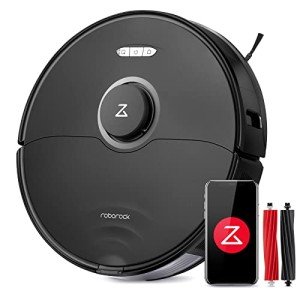
12 Companies Are Leading The Way In Robotic Hoover
The Evolution and Impact of Robotic Hoovers in Modern Homes
In the ever-evolving landscape of home innovation, few developments have captured the public's creativity rather like robotic hoovers. These automated cleaning gadgets, when considered a luxury, have actually ended up being progressively prevalent in families all over the world. From their modest beginnings to the advanced models available today, robotic hoovers have actually changed the way we consider and perform household chores. This post dives into the history, innovation, advantages, and potential future advancements of these remarkable devices.
A Brief History of Robotic Hoovers
The concept of a robot that could clean up autonomously dates back to the mid-20th century, when science fiction authors and futurists began picturing a future where home jobs would be carried out by intelligent makers. Nevertheless, it wasn't up until the late 1990s and early 2000s that the first commercially feasible robotic hoovers struck the marketplace. The iRobot Roomba, introduced in 2002, is often credited as the leader in this field. Given that then, various business have entered the market, each bringing its own special functions and innovations to the table.
How Robotic Hoovers Work
Robotic hoovers operate utilizing a mix of sensing units, algorithms, and navigation systems. Here's a breakdown of the essential parts and technologies:
Sensors
- Laser and Infrared Sensors: These assist the robot spot barriers, walls, and drop-offs, guaranteeing it doesn't fall down stairs or get stuck.
- Dust Detection Sensors: These sensors identify areas with a high concentration of dirt and dust, enabling the robot to focus its cleaning efforts.
- Cliff Sensors: These avoid the robot from falling off edges, such as staircases.
Navigation Systems
- Mapping Technology: Advanced models use mapping technology to produce a detailed floor strategy of the home, optimizing cleaning routes and preventing formerly cleaned up locations.
- SLAM (Simultaneous Localization and Mapping): This innovation permits the robot to browse and map its environment in real-time, making changes as it goes.
Cleaning Mechanisms
- Brush Systems: Most robotic hoovers use a combination of primary and side brushes to sweep and gather dirt and particles.
- Suction Power: The strength of the suction is vital for effective cleaning, specifically on carpets and in hard-to-reach locations.
- HEPA Filters: These filters are used in higher-end designs to trap allergens and fine particles, making them perfect for households with family pets or allergic reaction sufferers.
Connection and Control
- Wi-Fi Connectivity: Many modern robotic hoovers can be managed through mobile phone apps, allowing users to arrange cleansings, monitor progress, and get alerts.
- Voice Control: Integration with smart home devices like Amazon Alexa and Google Assistant makes it possible for hands-free operation.
Advantages of Robotic Hoovers
The adoption of robotic hoovers has brought numerous advantages to modern-day households:
Convenience
- Automated Cleaning: Robotic hoovers can be set to clean immediately, decreasing the requirement for manual intervention.
- Remote Operation: Users can control and monitor their robotic hoovers from anywhere, utilizing smartphone apps or voice commands.
Efficiency
- Optimized Cleaning Paths: Advanced navigation systems guarantee that the robot covers the entire area effectively, decreasing the time and energy required for cleaning.
- Consistency: Robotic hoovers can carry out cleaning tasks regularly, keeping a high standard of tidiness without the need for human guidance.
Cost-Effectiveness
- Long-Term Savings: While the initial financial investment may be higher, robotic hoovers can conserve cash gradually by decreasing the need for expert cleaning services.
- Energy Efficiency: Modern models are developed to be energy-efficient, reducing their influence on electrical energy costs.
Time-Saving
- Releasing Up Time: By automating the cleaning procedure, users have more time to focus on other activities, whether it's work, leisure, or spending quality time with household.
Allergy Relief
- HEPA Filters: These filters can capture allergens and fine particles, enhancing indoor air quality and offering relief to allergic reaction patients.
Challenges and Limitations
Despite their lots of advantages, robotic hoovers are not without their difficulties:
Initial Setup
- Mapping and Calibration: Setting up a robotic hoover can be lengthy, particularly for bigger homes or those with complex designs.
- Obstacle Identification: Users may require to reorganize furniture or eliminate small challenge ensure the robot can navigate easily.
Battery Life
- Restricted Range: Most robotic hoovers have a limited battery life, which might require them to go back to their charging dock before finishing a cleaning cycle.
- Regular Recharging: Some designs might need to recharge multiple times throughout a single cleaning session, which can be troublesome.
Cleaning Performance
- Dust and Debris Collection: While effective on difficult floors, some models battle with deep-pile carpets or greatly soiled areas.
- Maintenance: Regular cleaning of filters and brushes is needed to preserve optimum performance.
Privacy Concerns
- Data Collection: Some users may be worried about the data collected by the robot, including floor maps and user behavior patterns.
Future Developments
The future of robotic hoovers looks promising, with continuous advancements in technology and increasing combination with smart home environments. Here are some potential advancements:
Enhanced Navigation
- AI and Machine Learning: Improved AI and artificial intelligence algorithms will allow robotic hoovers to better comprehend and adapt to their environment, making them more efficient and autonomous.
- 3D Mapping: Three-dimensional mapping technology will permit robotics to browse more complex and cluttered spaces.
Much Better Cleaning Performance
- Multi-Functionality: Future designs may include extra functions such as mopping and air purification.
- Smart Sensors: Advanced sensors will discover and clean specific types of dirt and debris, such as pet hair or sticky compounds.
Improved Battery Technology
- Longer Battery Life: Advances in battery technology will increase the range and duration of cleaning sessions.
- Faster Charging: quicker charging times will reduce downtime and make the robots more easy to use.
Seamless Integration
- Smart Home Ecosystems: Robotic hoovers will incorporate more seamlessly with other smart home devices, enabling collaborated cleaning and home management.
- Voice-Activated Commands: Enhanced voice recognition and natural language processing will make it much easier to manage the robot utilizing voice commands.
Regularly Asked Questions (FAQs)
How do I set up a robotic hoover?
- Setting up a robotic hoover usually involves downloading a smartphone app, connecting the robot to your Wi-Fi network, and creating a map of your home. Some designs might need extra calibration or setting up virtual walls to define cleaning areas.
Can robotic hoovers clean all types of floors?
- Most robotic hoovers are designed to clean both difficult floors and low-pile carpets. Nevertheless, deep-pile carpets and greatly soiled locations may need extra cleaning or a more powerful design.
How frequently do I require to empty the dustbin?
- The frequency of clearing the dustbin depends on the size of your home and how often the robot cleans up. As a general guideline, it's a good idea to empty the dustbin after each cleaning session to ensure optimal performance.
Are robotic hoovers noisy?
- Modern robotic hoovers are created to be fairly quiet, however the sound level can differ depending on the design and the strength of the suction. Some designs provide a “quiet mode” for minimal disruption.
Can robotic hoovers climb stairs?
- The majority of robotic hoovers are not designed to climb stairs due to safety issues. However, some designs can be set to stop briefly at the top of a staircase and resume cleaning on a different floor as soon as by hand moved.
Do I need to eliminate furnishings before using a robotic hoover?
- While some furniture might require to be moved to enable the robot to tidy below, most designs are created to browse around barriers. It's a great idea to eliminate little products that might hinder the robot's path.
The length of time do robotic hoovers last?
- The lifespan of a robotic hoover can differ, but many models are developed to last several years with appropriate maintenance. Routine cleaning of filters and brushes, as well as keeping the robot's software updated, can extend its life-span.
Are robotic hoovers worth the financial investment?
- For lots of families, the convenience, performance, and time-saving benefits of robotic hoovers make them a beneficial financial investment. However, it's essential to consider your specific requirements and the functions provided by various designs before making a purchase.
Robotic hoovers have actually come a long way because their creation, transforming the way we keep our homes. With just click the next webpage to tidy autonomously, incorporate with smart home systems, and supply consistent results, they provide a series of benefits that make them an appealing option for numerous households. As technology continues to advance, we can expect much more advanced and user-friendly models to emerge, even more enhancing the cleaning experience. Whether you're a busy expert, a parent, or merely someone who values a tidy home, a robotic hoover might simply be the service you've been trying to find.
- * *
By exploring the history, innovation, benefits, and future of robotic hoovers, this post aims to offer a detailed understanding of these ingenious cleaning devices. For those considering a robotic hoover, the FAQs and lists of key features can act as valuable resources in making a notified choice.